Break-In Prevention for Toronto Homeowners: What Police Actually Recommend
Toronto Police Service officers who work break-and-enter cases consistently say the same thing: delay is deterrent. A home that takes significantly longer to breach is less attractive to an opportunistic intruder. The difference between a property an intruder chooses and one they skip often comes down to visible vulnerability and available time.
This guide breaks down the entry-point framework that TPS officers actually focus on when assessing residential security — and shows you how to prioritize hardening your home.
Why police recommend a layered approach
TPS break-and-enter investigators focus on a simple principle: forced entry depends on three factors: visible vulnerability, available time, and occupant absence. When all three align, a home becomes a target. Hardening one entry point doesn't prevent forced entry — it moves the intruder to an easier target nearby.
Instead, police recommend thinking in layers. A home with lighting that removes dark approaches, doors that resist kick force, windows that hold cracked glass together, and visible alarm signage presents a higher cost-benefit calculation. Each layer doesn't have to be perfect. Each one just has to be good enough to make the home less attractive than the next one down the street.
The core principle TPS officers cite: delay is deterrent. A home that takes 30 seconds to breach looks different to an intruder than one that takes 2 minutes. The extra time means more noise, more visibility, and more risk of detection.
The entry-point assessment framework
Every Toronto home has a consistent set of entry vectors. Understanding them helps you prioritize.
Primary entries: Your front door is the most obvious. It is visible from the street, easy to approach, and (in older homes especially) often the least fortified.
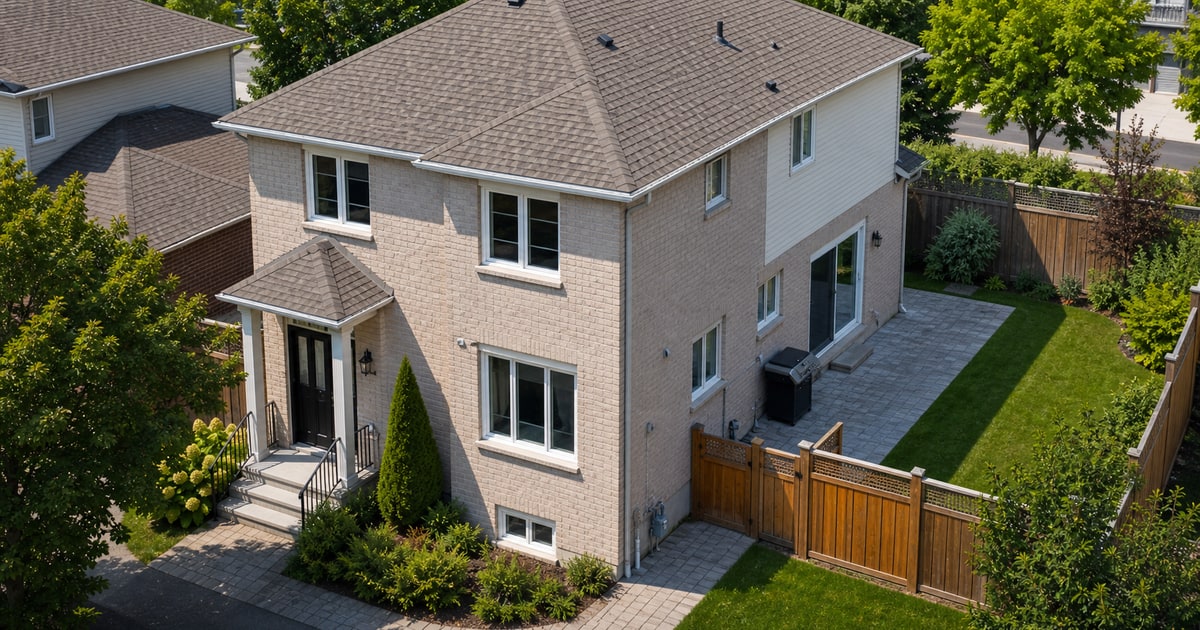
Secondary entries: Rear doors and side-passage doors are less visible but equally vulnerable to the same failure modes. A garage-to-house interior door, while not a direct exterior entry, can become a critical vulnerability once the exterior is breached.
Glazing vectors: Ground-floor windows, patio sliders, sidelights beside the front door, and basement windows all present glass-entry paths. Each has the same two failure modes: the latch and the pane.
What failure looks like: A standard residential door is attached to the frame with short wood screws into the door jamb. Under a kick applied at the lock level, the force transfers to a small area of wood. The jamb often splits before the lock gives. Standard glass breaks on impact and clears instantly, allowing a reach-through to unlatch the window or slide open the door from inside.
The front door: the most common forced-entry target
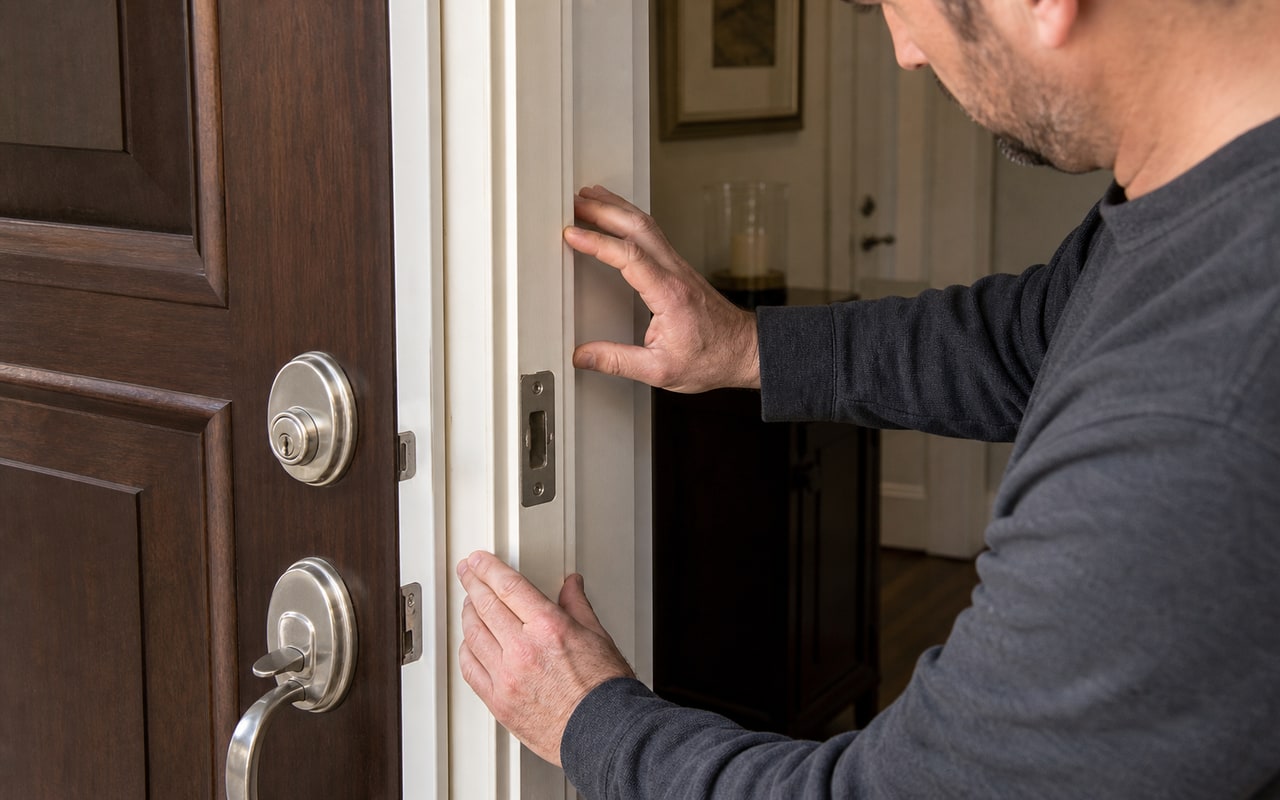
The front door is the starting point for hardening. It is visible, accessible, and (on many Toronto homes) built to a standard that prioritizes appearance and cost over forced-entry resistance.
Why the front door is targeted first: It is the most obvious entry. An intruder approaching your front door faces the street and any passing traffic, but the risk is often worth it because this is where many homes are weakest.
The frame problem: The vulnerability is not usually the lock. It is the frame. A standard residential strike plate uses two short screws and grips only the door jamb — a thin strip of wood. Under impact, the jamb splits, and the door swings open. Professional installation uses a four- to six-hole strike plate with screws long enough to penetrate the structural studs behind the jamb (typically 3 inches or longer). This distributes the impact force across the frame rather than concentrating it on soft wood.
What TPS officers assess: They look at how much the frame moves when pushed, the condition of the hinges, and whether the strike plate screws penetrate the stud. A frame that flexes under hand pressure will fail under a kick.
What hardening looks like: Structural-screw frame reinforcement (reinforcement plates over the lock side and hinge side), multi-point locking on the door itself, and hinge reinforcement with long screws. None of these changes require a new door — they are retrofit solutions.
For more on front-door-specific hardening, see our guide to front door risk.
Rear and side doors
Rear doors are less visible, which can make them feel safer. They are not. An intruder in your rear yard has privacy to work. This is why rear-door hardening matters equally.
Side-passage doors (to backyards) are often overlooked entirely. They are less exposed to street view and can be approached quietly. The same frame-failure mode applies: a kick will split the jamb unless the frame is reinforced.
Garage-to-house interior doors deserve attention too. If the exterior is breached, an unfortified interior door becomes the final barrier between an intruder and the inside of your home. Simple reinforcement — a solid-core or metal door with a reinforced frame — adds a critical delay layer.
The priority: Rear doors get the same hardening as front doors. Exterior lighting of the rear yard matters. Visibility from the street or neighbouring properties is a deterrent — an intruder working in darkness has more privacy.
Ground-floor windows and glazing
Ground-floor windows, patio sliders, and sidelights are glass-entry vectors. Standard residential glass breaks on impact and clears instantly, exposing the latch or allowing a reach-through.
Patio sliders are a common forced-entry point across the GTA. The glass is large, the latch is simple, and the frame is often not reinforced. An intruder breaks the glass, reaches in, and unlocks the door — or simply slides it open if the latch is loose.
Sidelights beside front doors are particularly exposed on heritage Toronto homes. Decorative glass beside a deadbolt, within arm's reach, often receives no hardening. An intruder breaks the glass and reaches in to unlock the deadbolt. The door opens from the inside in seconds.
Basement windows (hopper and slider windows) are ground-level entry points. They are often partially below grade, hidden by landscaping or darkness. Standard locks are minimal. The low visibility from the street or neighbouring properties — less risk of detection during an entry attempt — makes them attractive to intruders.
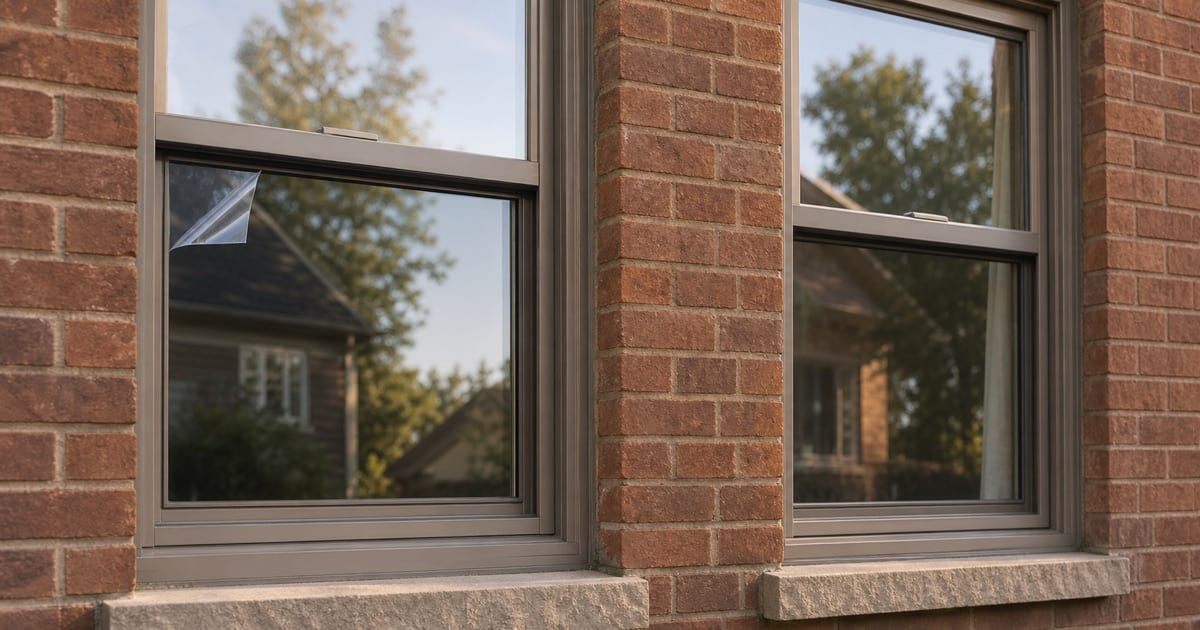
How hardening works: Security window film holds a cracked pane together on impact, preventing a reach-through. It does not prevent the glass from breaking, but it delays entry by forcing the intruder to work at the glass longer. According to film manufacturer documentation, security film can slow forced entry by 30 to 60 seconds or more compared to unprotected glass — often enough time for an alarm to trigger and dispatch to begin. The delay is noisier too, which increases the risk of detection.
For deeper guidance on patio sliders, see patio door security. For sidelight glass on heritage homes, see our guide to sidelight glass.
Exterior lighting and sightline control
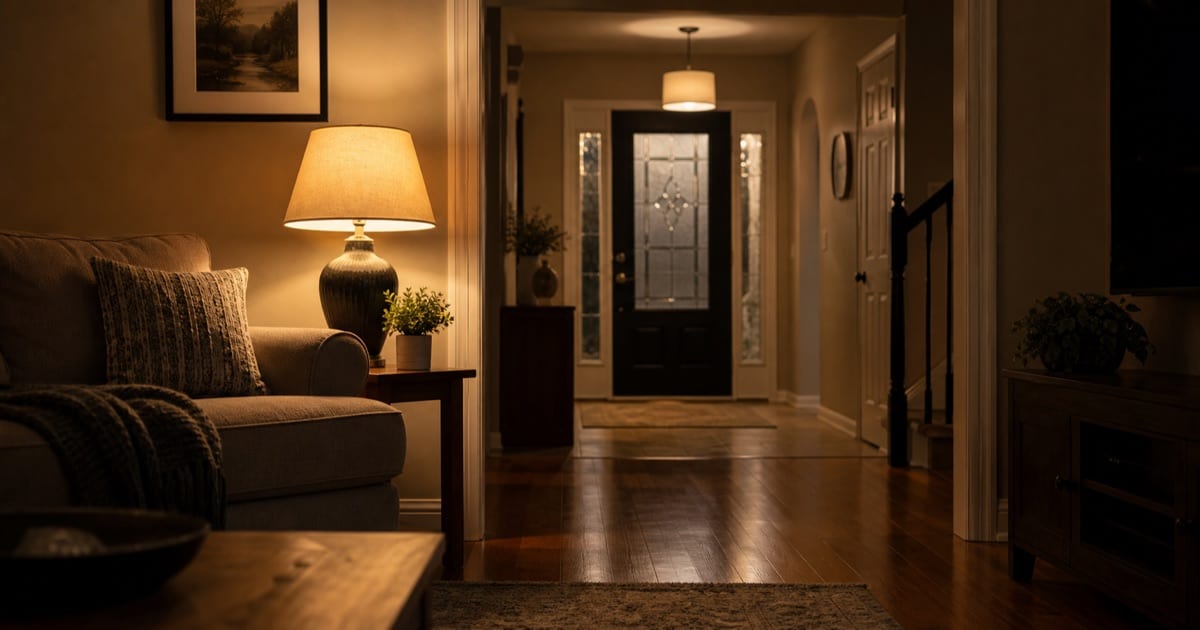
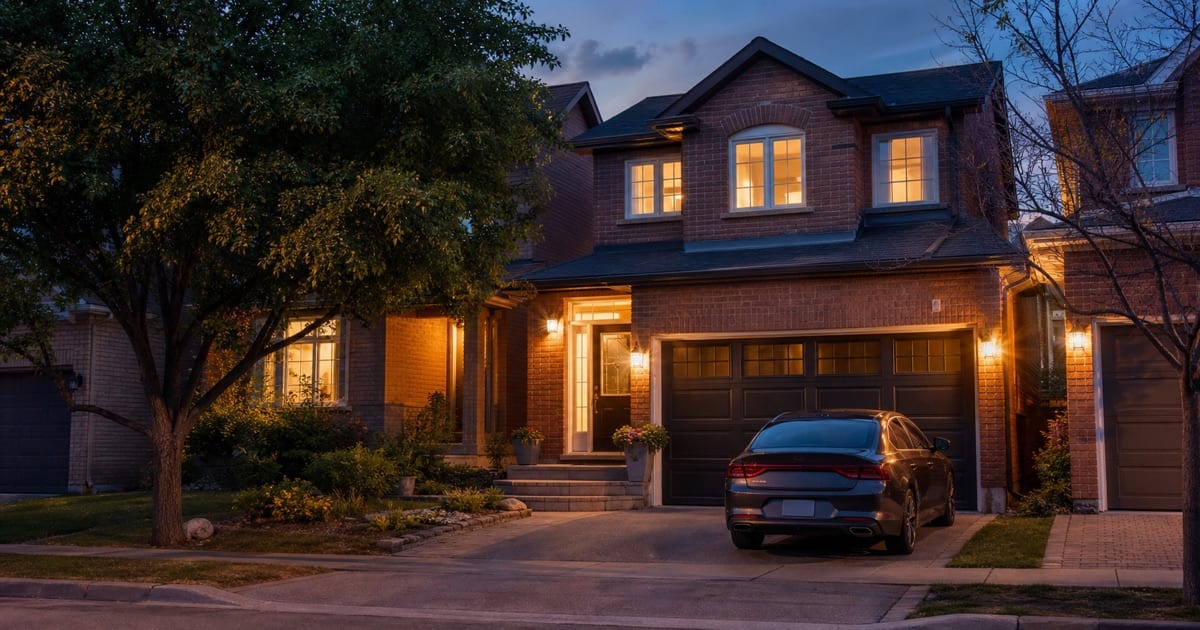
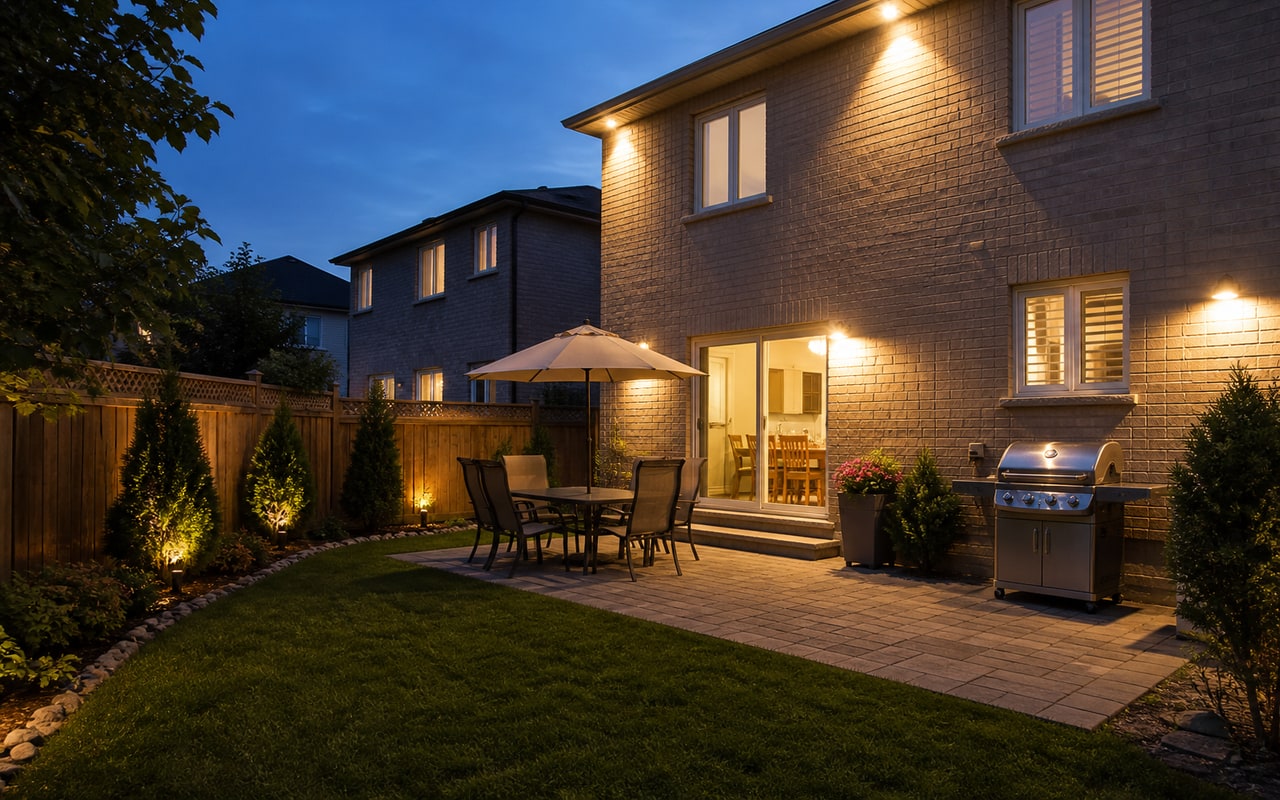
TPS officers emphasize lighting as a first-layer deterrent. An intruder working in darkness has privacy. An intruder working in light has visibility and risk.
Standard residential lighting includes porch lights and dusk-to-dawn fixtures on timers. These help, but they often miss critical areas: side passages, back corners of the yard, and spaces between homes where an intruder can approach unseen.
What motion-activated lighting misses: An intruder can wait for a motion light to time out, then approach in darkness. Continuous lighting eliminates this window.
Sightline control: Can neighbours and passersby see your entry points? If not, an intruder has privacy. Install continuous lighting on all entry approaches. Trim landscaping to eliminate shadows. Avoid the assumption that darkness equals safety — it doesn't. Darkness equals privacy for an intruder.
Alarm systems: the deterrent that responds
An alarm system is part of the detection layer. It does not prevent entry, but it triggers response.
Visible signage (yard sign, window stickers) is itself a deterrent. An intruder may choose a different target if they see an alarm is present. An unmonitored alarm (one that only sounds) has limited effect — a neighbour might call police, but the intruder has no guarantee of it. A monitored alarm (connected to a central station) ensures response — though response times vary by location and are not guaranteed.
Alarm systems work best combined with physical hardening. A hardened entry point plus an alarm creates a two-layer defense: the hardening delays entry, and the alarm triggers response during that delay.
Implementation priorities: what to do first
Not every homeowner can harden everything at once. Prioritization matters.
Start with the most common forced-entry vector in Toronto homes: front-door frame reinforcement. This is a retrofit — no new door required. Structural screws in the strike plate and reinforcement plates on the lock and hinge sides are the core work. Cost varies, but this hardening is often affordable and yields the highest return on security investment.
Second: ground-floor glazing, particularly sidelights and patio sliders. Security window film is applied to the interior surface of existing glass. No window replacement needed. This is a non-invasive upgrade that works on any residential glass.
Third: rear-door hardening and rear-yard lighting. The same frame-reinforcement approach as the front door, plus continuous (not motion-activated) exterior lighting of approach paths and the rear yard.
Fourth: basement windows and alternative entry vectors. Film on basement windows, reinforced locks, and frame bracing complete the perimeter hardening.
A Clear Guard technician can walk the property with you and identify which entry points are highest-priority for your specific home. Assessments are free and take about 30 minutes. During an assessment, a technician tests your doors and frames, checks your glass, and gives you a written prioritized recommendation based on what is actually exposed on your property.
The three-layer framework: detection, delay, retreat
Bring this back to the opening principle. TPS officers think in layers. Not one wall, but three.
Detection: Alarm systems and cameras. They sound the alarm and start the clock.
Delay: Reinforced doors, filmed glass, lighting that removes dark approaches. They slow entry and buy time.
Retreat: A pre-planned family response. Where do you go during the delay window? Is that room lockable? Does it have a phone? Is there a way to call for help?
A complete security plan uses all three layers working together. Hardening alone is not enough. Detection alone is not enough. But the three together create a system that makes your home less attractive than alternatives.
For a deeper look at family safety planning, see our guide to layered family safety planning.
Frequently asked questions
What are the most common entry points for break-ins in Toronto?
Front doors (frame failure under kick force), patio sliders (glass breach followed by latch failure), sidelights beside front doors (glass break and reach-through to the deadbolt), and basement windows (ground-level, low visibility). The entry point varies by home, but these are the vectors TPS officers consistently flag.
How do I prioritize which entry points to harden first?
Start with your front door and the most visible ground-floor glass (patio or sidelights). These are typically the first targets. Then move to rear-door hardening and exterior lighting. A professional assessment can confirm priorities for your specific home based on what is actually exposed on your property.
Does hardening one entry point prevent break-ins completely?
No. Hardening one entry point shifts the opportunity cost — an intruder may simply move to an easier target nearby. The goal is to make your home less attractive than alternatives by layering hardening across multiple entry points, combined with detection (alarm) and a family response plan.
What should I know about alarm systems?
Alarms are deterrents and responders, not preventers. Visible signage helps deter (an intruder may choose a different target). Monitoring ensures response (a central station dispatches police when the alarm triggers). Alarms work best combined with physical hardening, not as a substitute for it.
Related reading
- Why Your Front Door Might Be Your Biggest Security Risk
- Patio Door Security: The Most Common Entry Point for GTA Break-Ins
- Sidelight Glass on Heritage Front Doors: The Entry Point Most Homeowners Miss
- How Security Window Film Works: A Visual Guide
- Layered Family Safety Planning: Detection, Delay, and Retreat