Scarborough Ravine Properties: Isolation and Low Neighbor Density as Security Factors
Scarborough ravine properties are valued for privacy and green space.
That same isolation creates a different security dynamic than a typical dense suburban street.
Fewer neighbors watching means fewer eyes on your property. Lower street density means less passing traffic. Rear yards open to ravines or conservation lands mean observation from the rear is minimal. This isn't a reason not to buy a ravine property — it's just a reason to understand what security looks like in an isolated setting.
This post is for homeowners in Scarborough ravine areas (Don Valley, Scarborough Bluffs, ravine-backing lots) who want to understand what isolation means for security and what to prioritize.
The Geography and What It Means
Scarborough ravine properties are lower density than typical suburban streets. They're valued for that.
But lower density changes the security model.
Fewer neighbors: On a typical suburban street, 8–10 homes might face the street. On a ravine property, you might have 2–3 neighbors, or just one on the other side.
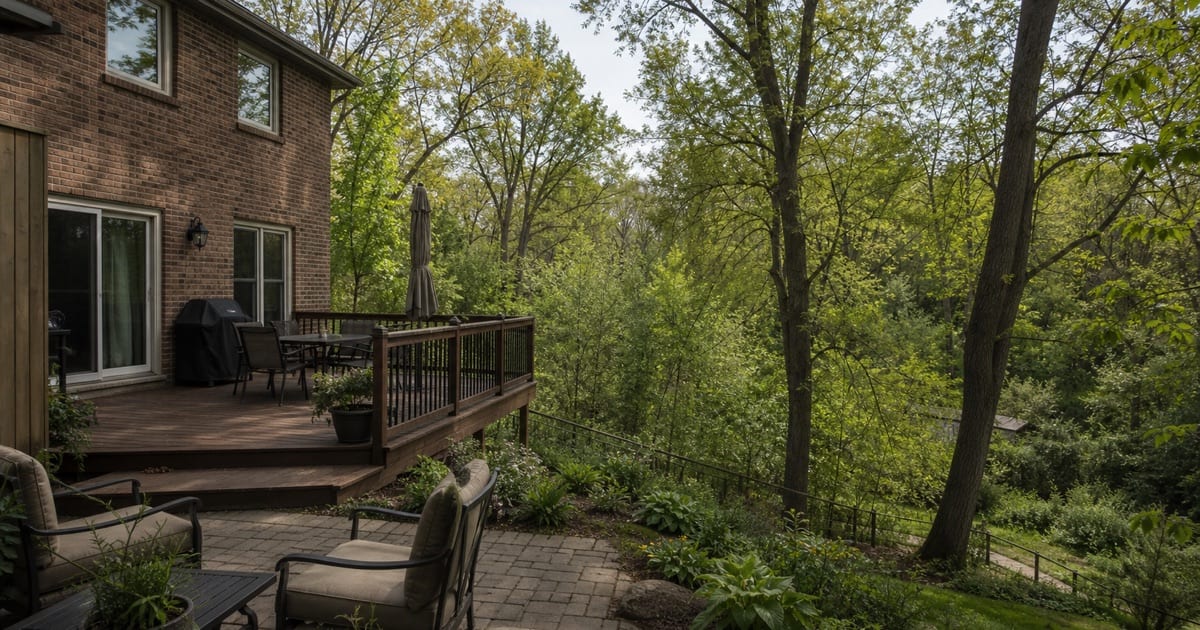
Rear access to ravine: The back of your property opens to a ravine, conservation area, or park — not a neighbor's yard. No eyes on your rear yard from neighbors.
Less street traffic: Ravine-adjacent streets have fewer cars passing. Less ambient activity. Less casual observation of the property.
Longer rear approach: Because the lot is isolated, the distance from the street (or ravine) to your house is longer. More concealment for someone approaching.
This creates a different threat model: Not a higher threat, but a different threat. The informal deterrent — casual observation by neighbors and passersby — is lower.
What Isolation Changes
On a typical suburban street, a person approaching your rear yard is noticed. A neighbor is gardening, a car passes, someone is walking. Casual observation deters low-confidence entry attempts.
On a ravine property, that casual observation is lower or absent.
Rear exposure is higher: Because neighbors don't overlook your rear yard, rear entries are less observed. A patio slider breach, a rear window attempt, or a garage-to-house door entry is less likely to be witnessed.
Ambient lighting is lower: Ravine properties often have less street lighting and fewer lit windows from neighbors nearby. Darkness provides cover.
The perimeter is longer: Ravine properties often have larger lots, longer rear yards, more glass and doors to secure.
The approach is concealed: The distance from street or ravine to the house gives an intruder more concealment than on a typical lot.
This doesn't mean ravine properties are inherently less secure. It means the security model is different.
Where the Vulnerability Actually Is
The vulnerability is not the ravine itself. It's the lower casual observation.
Because observation is lower, rear entries are the default exposure:
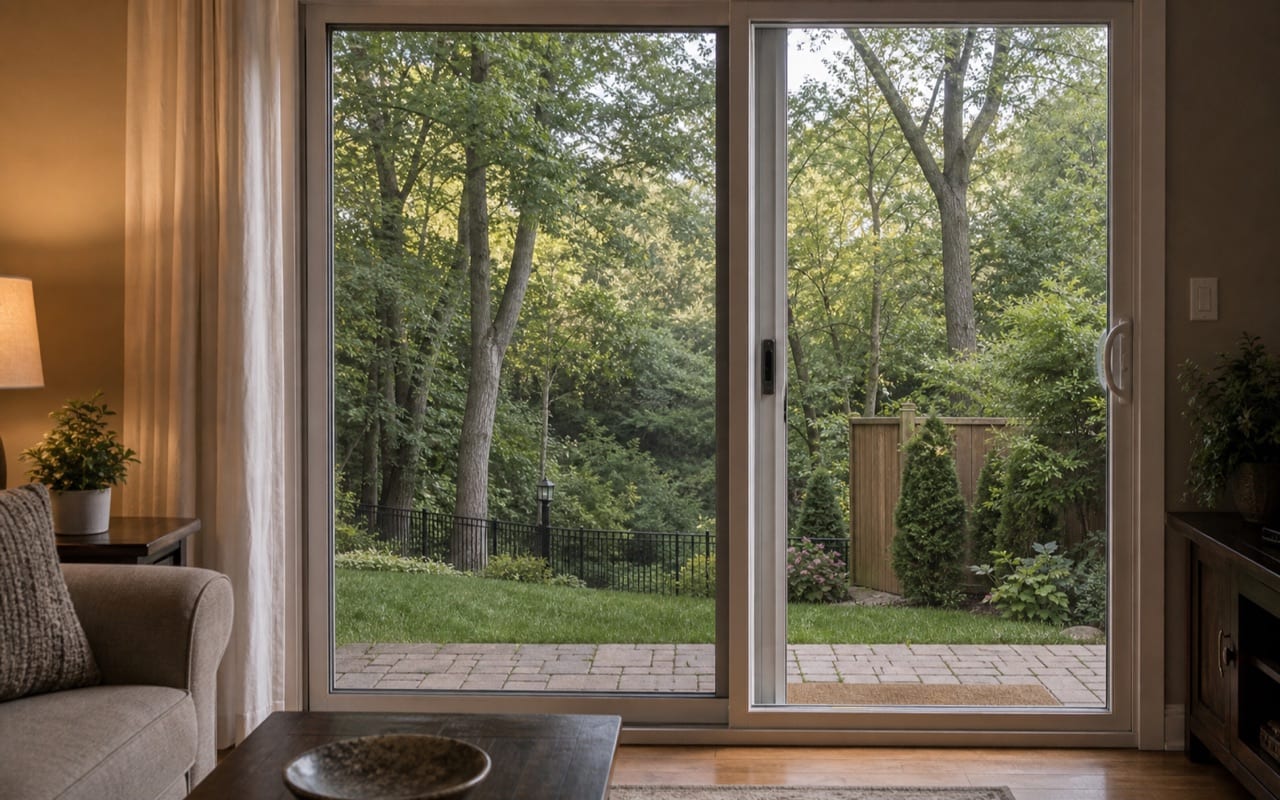
- Patio sliders and sliding glass doors: Rarely observed from the rear. If the glass is breached, the action goes unnoticed.
- Rear windows: Often overlooked in security planning because they're on the isolated side of the property.
- Basement windows: Rear-facing basement windows are even more isolated than those facing the street.
- Rear and side doors: Mandoors, garage-to-house doors, and utility exits on the exposed side of the property get less observation.
- Sightlines from the ravine: If the property backs to a ravine path, glass and doors visible from that path are observable by anyone on the path.
The entry vectors are the same as any home (door, window, glass). The difference is the informal deterrent (observation) is weighted entirely away from the rear.
Rear-Yard Hardening on Ravine Properties
Because observation is lower, rear entries deserve the same security attention as front entries.
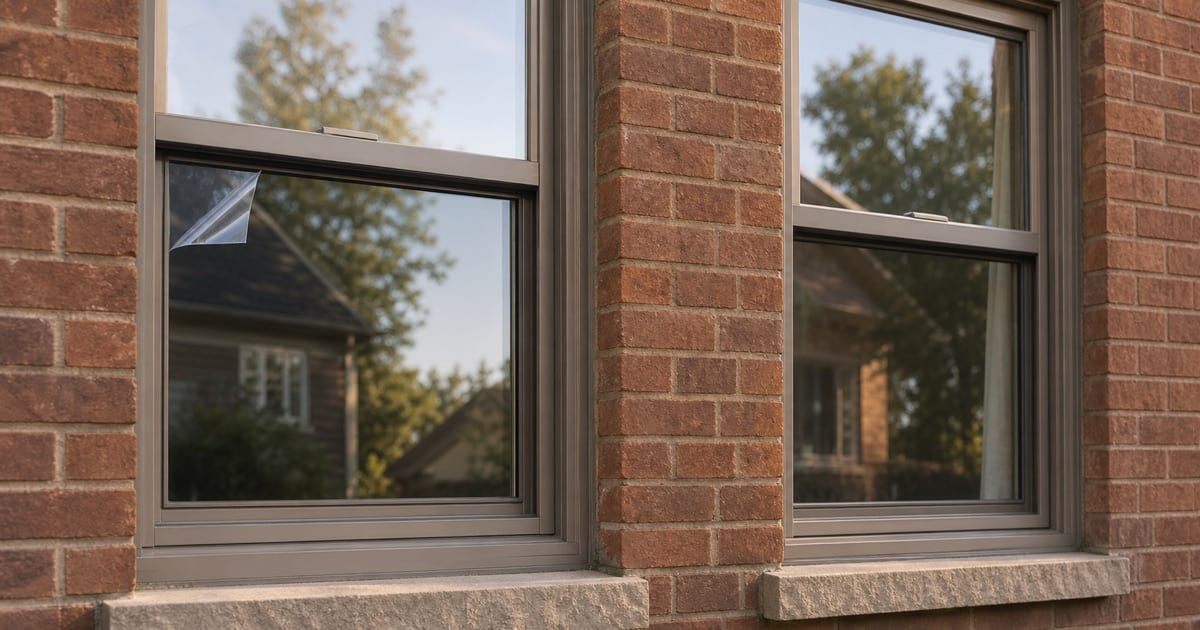
Security window film: On patio sliders, rear windows, basement windows. These are the high-priority glass on a ravine property because they're the exposed side.
Door fortification: On rear doors, mandoors, any secondary exit on the exposed side.
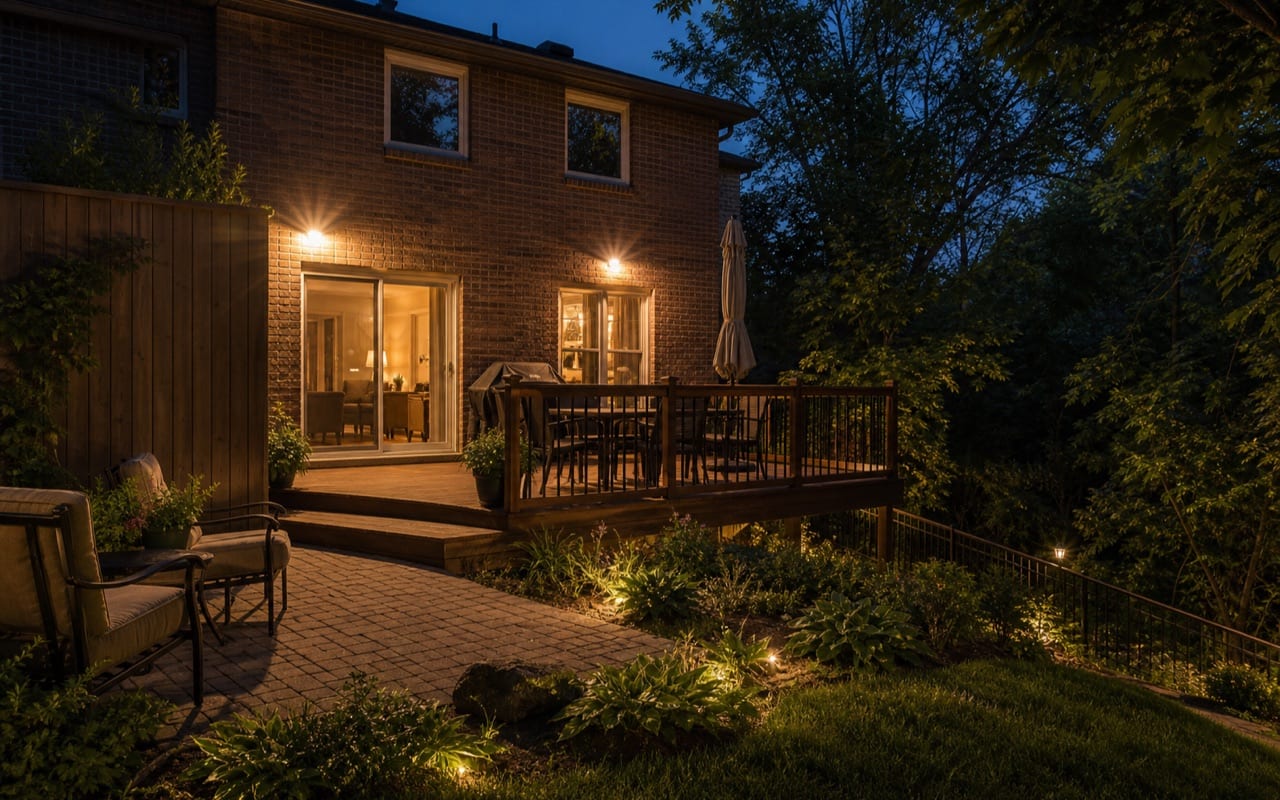
Motion lighting: On rear-facing entries and deck areas. Motion lighting provides visibility when someone approaches and removes the cover of darkness.
Alarm coverage: Rear entry points should be covered by the alarm system, not just the front.
Clear sightlines: Trim shrubs so you can see your rear perimeter from inside. Shrubs that provide privacy also provide cover for an approach.
The goal is to add delay and visibility to the rear yard, which is the default-exposed side on a ravine property.
Assessment on Ravine Properties
A Clear Guard assessment on a ravine property includes: rear-yard sightlines, which entries are most exposed, which glass is most visible, where motion lighting makes sense.
The assessment walks the property from the ravine side or adjacent vantage point — understanding what's visible from the "public" perspective on the path.
Prioritization on a ravine property is likely to be rear-patio slider first, not the front door. The front door is the secondary priority.
A written assessment identifies the specific entry vectors on that property, weighted toward the exposed rear.
FAQ
Does living near a ravine make my home less secure?
Not automatically. It means fewer neighbors are watching, which is a different dynamic. Rear-yard security becomes more important. A ravine property can be just as secure as any other home if you understand what isolation means.
What should I prioritize if I live on a ravine lot?
Rear-yard glass and doors. Apply film to patio sliders and rear windows. Add fortification to rear doors. Install motion lighting on rear-facing entries. These are the exposed side.
Is isolation a security risk?
Isolation lowers the informal deterrent of casual observation. It's not a risk in itself, but it means security planning should account for it. The rear is your priority.
Book a free ravine-property assessment. A technician will examine your property from the ravine side, identify the entry vectors most exposed by isolation, and recommend where to prioritize security. Written quote within 48 hours, no obligation.